Volume 25, Number 6—June 2019
Etymologia
Etymologia: Neospora caninum
Figures
Downloads
Article Metrics
Ronnie Henry
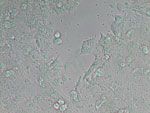
Figure. Neospora caninum, a coccidian parasite, which identified as a species in 1988. It is a major cause of spontaneous abortion in infected livestock. Image from WIkipedia (https://en.wikipedia.org/wiki/Neospora_caninum#/media/File:Neospora_caninum_ (5256961091).jpg).
From the neo- (Latin, “new”) + spora (Greek, “seed”) and canis (Latin, “dog”), Neospora caninum (Figure) is a sporozoan parasite that was first described in 1984. It is a major pathogen of cattle and dogs but can also infect horses, goats, sheep, and deer. Antibodies to N. caninum have been found in humans, predominantly in those with HIV infection, although the role of this parasite in causing or exacerbating illness is unclear.
References
- Lobato J, Silva DA, Mineo TW, Amaral JD, Segundo GR, Costa-Cruz JM, et al. Detection of immunoglobulin G antibodies to Neospora caninum in humans: high seropositivity rates in patients who are infected by human immunodeficiency virus or have neurological disorders. Clin Vaccine Immunol. 2006;13:84–9. DOIPubMed
Figure
Cite This ArticleOriginal Publication Date: 5/3/2019





.png)






.jpg)
No hay comentarios:
Publicar un comentario