Health Matters for Women
New from CDC
Project Connect Implementation Guide
This evidence-based, scalable intervention is designed to increase youth access to sexual and reproductive health care services.
This evidence-based, scalable intervention is designed to increase youth access to sexual and reproductive health care services.
NIOSH Current Intelligence Bulletin: Reproductive Risks Associated With Hazardous Drug Exposures in Healthcare Workers and Recommendations for Reducing Exposures
This bulletin reviews and summarizes all published studies on adverse reproductive effects of occupational exposures to antineoplastic drugs.
This bulletin reviews and summarizes all published studies on adverse reproductive effects of occupational exposures to antineoplastic drugs.
Prevalence of Reduced Muscle Strength in Older U.S. Adults: United States, 2011–2012
Muscle strength status did not differ by sex, except among persons aged 80 and over, where women had a higher prevalence of weak muscle strength than men.
Muscle strength status did not differ by sex, except among persons aged 80 and over, where women had a higher prevalence of weak muscle strength than men.
Births: Final Data for 2013
A total of 3,932,181 births were registered in the United States in 2013, down less than 1% from 2012.
A total of 3,932,181 births were registered in the United States in 2013, down less than 1% from 2012.
WISEWOMAN Program Evaluation Toolkit, Clinical Linkages Brief, and Partnership Development Brief
The toolkit and briefs are intended to offer guidance and facilitate program planning and evaluation for WISEWOMAN program staff and a wide audience of individuals involved in related programs and issues.
The toolkit and briefs are intended to offer guidance and facilitate program planning and evaluation for WISEWOMAN program staff and a wide audience of individuals involved in related programs and issues.
Sexually Transmitted Disease Surveillance 2013
This report presents statistics and trends for sexually transmitted diseases in the United States through 2013.
This report presents statistics and trends for sexually transmitted diseases in the United States through 2013.
#20Million Memorial
This online memorial honors an estimated 20 million deaths due to smoking – spouses, mothers, fathers, children, sisters, brothers, friends, – who we have lost.
This online memorial honors an estimated 20 million deaths due to smoking – spouses, mothers, fathers, children, sisters, brothers, friends, – who we have lost.
Opioid Prescription Claims Among Women of Reproductive Age — United States, 2008–2012
Opioid-containing medications are widely prescribed among reproductive-aged women with either private insurance or Medicaid, with approximately one fourth of privately insured and over one third of Medicaid-enrolled women filling a prescription for an opioid each year during 2008–2012.
Opioid-containing medications are widely prescribed among reproductive-aged women with either private insurance or Medicaid, with approximately one fourth of privately insured and over one third of Medicaid-enrolled women filling a prescription for an opioid each year during 2008–2012.
Public Health Grand Rounds: Understanding the Causes of Major Birth Defects: Steps to Prevention (video)
This Grand Rounds discussed some of the research underway to identify the risk factors for birth defects, and develop key intervention strategies to ensure that every child is born in the best possible health.
This Grand Rounds discussed some of the research underway to identify the risk factors for birth defects, and develop key intervention strategies to ensure that every child is born in the best possible health.
Worker Illness Related to Newly Marketed Pesticides — Douglas County, Washington, 2014
In this incident, off-target drift of a pesticide mixture was determined to be the cause of symptoms in 20 farmworkers (19 women and one man).
In this incident, off-target drift of a pesticide mixture was determined to be the cause of symptoms in 20 farmworkers (19 women and one man).
Understanding Evidence
The tool is an interactive Web resource that supports public health practitioners in making evidence-informed decisions around violence prevention.
The tool is an interactive Web resource that supports public health practitioners in making evidence-informed decisions around violence prevention.
CDC Says “Take 3” Actions to Fight The Flu
Flu is a serious contagious disease that can lead to hospitalization and even death. CDC urges you to take actions to protect yourself and others from influenza (the flu).
Flu is a serious contagious disease that can lead to hospitalization and even death. CDC urges you to take actions to protect yourself and others from influenza (the flu).
Chronic Disease Indicators
The 2015 CDI is an integrated source for a wide range of key indicators for the surveillance of chronic diseases, conditions, and risk factors. Eighteen topic categories and 124 indicators include women’s health conditions and risk factors, as well as social context.
The 2015 CDI is an integrated source for a wide range of key indicators for the surveillance of chronic diseases, conditions, and risk factors. Eighteen topic categories and 124 indicators include women’s health conditions and risk factors, as well as social context.
Health Insurance Marketplace and Women
Enroll in a plan by February 15, 2015, get the preventive services you need, and navigate the health system to stay healthy.
Enroll in a plan by February 15, 2015, get the preventive services you need, and navigate the health system to stay healthy.
Working Together to Stop HIV With The Positive Women’s Network – USA
The goals of the Summit were to build leadership skills; address critical policy, advocacy, and research issues; and foster a community among women living with HIV.
The goals of the Summit were to build leadership skills; address critical policy, advocacy, and research issues; and foster a community among women living with HIV.
National Wear Red Day, Friday, February 6, 2015
Wear red on National Wear Red Day to help raise awareness about heart disease in women. Know the signs of a heart attack, ask your doctor questions about heart health, and learn how to lower your risk for heart disease.
Wear red on National Wear Red Day to help raise awareness about heart disease in women. Know the signs of a heart attack, ask your doctor questions about heart health, and learn how to lower your risk for heart disease.
2015 National HIV Prevention Conference
This four-day conference will include plenary sessions, workshops, roundtables and poster presentations and is a platform for conference participants to engage in rigorous scientific, programmatic, and technology information exchange.
This four-day conference will include plenary sessions, workshops, roundtables and poster presentations and is a platform for conference participants to engage in rigorous scientific, programmatic, and technology information exchange.
Birth-18 Years & "Catch-up" Immunization Schedules, United States, 2015
Each year, the Advisory Committee on Immunization Practices publishes immunization schedules for persons age birth through 18 years.
Each year, the Advisory Committee on Immunization Practices publishes immunization schedules for persons age birth through 18 years.
Vital Signs: Alcohol Poisoning Deaths — United States, 2010–2012
During 2010–2012, an average of six deaths from alcohol poisoning occurred each day among persons aged ≥15 years in the United States.
During 2010–2012, an average of six deaths from alcohol poisoning occurred each day among persons aged ≥15 years in the United States.
Supplement Use and Other Characteristics Among Pregnant Women with a Previous Pregnancy Affected by a Neural Tube Defect — United States, 1997–2009
Preventing the recurrence of NTDs by managing maternal risk factors before conception, including folic acid intake and obesity, presents important opportunities for public health.
Preventing the recurrence of NTDs by managing maternal risk factors before conception, including folic acid intake and obesity, presents important opportunities for public health.
Updated Estimates of Neural Tube Defects Prevented by Mandatory Folic Acid Fortification — United States, 1995–2011
The updated estimate of approximately 1,300 NTD-affected births averted annually during the post-fortification period is slightly higher than the previously published estimate. Mandatory folic acid fortification remains an effective public health policy intervention.
The updated estimate of approximately 1,300 NTD-affected births averted annually during the post-fortification period is slightly higher than the previously published estimate. Mandatory folic acid fortification remains an effective public health policy intervention.
Avoid Harmful Substances
Make a PACT to get healthy, physically and mentally, before and during pregnancy to increase your chances of having a healthy baby. Avoiding harmful home and workplace exposures is one important step.
Make a PACT to get healthy, physically and mentally, before and during pregnancy to increase your chances of having a healthy baby. Avoiding harmful home and workplace exposures is one important step.
Get Tested: National HIV and STD Testing
Find free, fast, and confidential testing near you. Also, find what test you need.
Find free, fast, and confidential testing near you. Also, find what test you need.
Are Flight Attendants at Higher Risk for Miscarriage?
Working during normal sleep hours, high physical job demands and exposure to cosmic radiation may put pregnant flight attendants at higher risk for miscarriage, according to research published January 5 online in the journal Epidemiology.
Working during normal sleep hours, high physical job demands and exposure to cosmic radiation may put pregnant flight attendants at higher risk for miscarriage, according to research published January 5 online in the journal Epidemiology.
Mortality in the United States, 2013
Life expectancy for the U.S. population in 2013 was unchanged from 2012 at 78.8 years. In 2013, life expectancy was 81.2 years for females and 76.4 for males.
Life expectancy for the U.S. population in 2013 was unchanged from 2012 at 78.8 years. In 2013, life expectancy was 81.2 years for females and 76.4 for males.
Inside Knowledge: Get the Facts About Gynecologic Cancer
The Inside Knowledge campaign raises awareness of the five main types of gynecologic cancer: cervical, ovarian, uterine, vaginal, and vulvar. Inside Knowledge encourages women to pay attention to their bodies, so they can recognize any warning signs and seek medical care.
The Inside Knowledge campaign raises awareness of the five main types of gynecologic cancer: cervical, ovarian, uterine, vaginal, and vulvar. Inside Knowledge encourages women to pay attention to their bodies, so they can recognize any warning signs and seek medical care.
Cervical Cancer Awareness
No woman should die of cervical cancer. The most important thing you can do to help prevent cervical cancer is to get screened regularly starting at age 21.
No woman should die of cervical cancer. The most important thing you can do to help prevent cervical cancer is to get screened regularly starting at age 21.
Folic Acid & Birth Defects
Get healthy before and during pregnancy to increase your chances of having a healthy baby. You can plan ahead by getting enough folic acid each day.
Get healthy before and during pregnancy to increase your chances of having a healthy baby. You can plan ahead by getting enough folic acid each day.
Lung Obstruction Among Adults Aged 40–79: United States, 2007–2012
A similar percentage of men and women had lung obstruction, overall and at each level of severity.
A similar percentage of men and women had lung obstruction, overall and at each level of severity.
Protect Your Daughters from Cervical Cancer
HPV vaccine can prevent several types of cancers, including cervical cancer. Get HPV vaccine for your sons and daughters at ages 11-12 to protect them from HPV cancers including cervical cancer.
HPV vaccine can prevent several types of cancers, including cervical cancer. Get HPV vaccine for your sons and daughters at ages 11-12 to protect them from HPV cancers including cervical cancer.
Reported STDs in the United States
This fact sheet summarizes 2013 data on chlamydia, gonorrhea, and syphilis published in CDC’s annual report, Sexually Transmitted Disease Surveillance, 2013.
This fact sheet summarizes 2013 data on chlamydia, gonorrhea, and syphilis published in CDC’s annual report, Sexually Transmitted Disease Surveillance, 2013.
Prescription Cholesterol-lowering Medication Use in Adults Aged 40 and Over: United States, 2003–2012
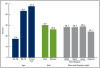
Prescription cholesterol-lowering medication use increased with age, from 17.4% in adults aged 40–59 to 43.3% in adults aged 60–74 and 47.6% in adults aged 75 and over. There was no significant difference between men (30.1%) and women (26.2%) or any race and Hispanic origin groups (24.1%–28.9%).
Prescription cholesterol-lowering medication use increased with age, from 17.4% in adults aged 40–59 to 43.3% in adults aged 60–74 and 47.6% in adults aged 75 and over. There was no significant difference between men (30.1%) and women (26.2%) or any race and Hispanic origin groups (24.1%–28.9%).
CDC Funding
Snapshots
 |
 |
 |
Federal Agency News
FDA Drug Safety Communication: FDA has Reviewed Possible Risks of Pain Medicine Use during Pregnancy
White House Releases Sample MOU to Help Strengthen Partnerships between Law Enforcement and Campuses
National, State and Local News
Global
CDC Podcasts
Listen to the latest podcasts on women’s health.
Listen to the latest podcasts on women’s health.
CDC E-Cards
Send women’s health e-cards.
Send women’s health e-cards.