Immunization Works August 2020
August 31, 2020: Content on this page kept for historical reasons.

Top Stories
Mass Vaccination Clinic Guidance: CDC has issued revised Guidance for Planning Vaccination Clinics Held at Satellite, Temporary, or Off-Site Locations. The purpose of the guidance is to assist with jurisdictional planning and implementation of satellite, temporary, or off-site vaccination clinics by public and private vaccination organizations.
The guidance is broken down into four categories:
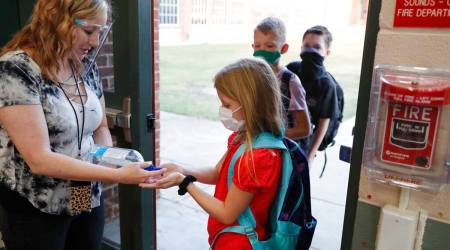
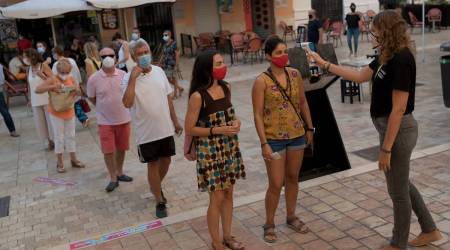
The guidance also provides information on additional considerations that are required during the COVID-19 pandemic, including physical distancing, personal protective equipment (PPE), and enhanced sanitation efforts.
Maintaining Childhood Immunizations and Well-Child Care During the COVID-19 Pandemic: Stay-at-home and shelter-in-place orders have resulted in declines in outpatient pediatric visits and fewer vaccine doses being administered, leaving children at risk for vaccine-preventable diseases. As practices continue to return to normal, health care providers are encouraged to work with families to keep or bring children up to date with their vaccinations. Primary care practices in communities affected by COVID-19 should continue to use strategies to separate well visits from sick visits. Examples include:
- Scheduling sick visits and well-child visits during different times of the day
- Reducing crowding in waiting rooms by asking patients to remain outside (e.g., stay in their vehicles, if applicable) until they are called into the facility for their appointments, or setting up triage booths to screen patients safely
- Collaborating with health care providers in the community to identify separate locations for providing well visits for children
Health care providers should identify children who have missed well-child visits and/or recommended vaccinations and contact parents to schedule in-person appointments, starting with newborns, infants up to 24 months, and young children and extending through adolescence. State-based immunization information systems and electronic health records may be able to support this work.
All newborns should be seen by a pediatric health care provider shortly after hospital discharge (3 to 5 days of age). Ideally, newborn visits should be done in person during the COVID-19 pandemic to evaluate infants for dehydration and jaundice, ensure all components of newborn screening were completed and appropriate confirmatory testing and follow-up are arranged, and evaluate mothers for postpartum depression. Developmental surveillance and early childhood screenings, including developmental and autism screening, should continue, along with referrals for early intervention services and further evaluation if concerns are identified. Please visit the COVID-19 web page for additional information.
Immunization Guidance During COVID–19: The COVID-19 pandemic has caused health care providers to change how they operate to continue providing essential services to patients. Ensuring that immunization services are maintained or reinitiated is essential for protecting individuals and communities from vaccine-preventable diseases and outbreaks and reducing the burden of respiratory illness during the upcoming influenza season.
CDC has issued “Interim Guidance for Immunization Services During the COVID-19 Pandemic” to help immunization providers in a variety of clinical settings plan for the safe administration of vaccines during the COVID-19 pandemic. This guidance will be updated as the COVID-19 pandemic evolves.
Highlights include:
- Considerations for routine administration of all recommended vaccines for children, adolescents, and adults, including pregnant women
- General practices for the safe delivery of vaccination services, including considerations for alternative vaccination sites
- Strategies for catch-up vaccinations
We encourage you to share this guidance widely.
Morbidity and Mortality Weekly Report (MMWR)
National, Regional, State, and Selected Local Area Vaccination Coverage Among Adolescents Age 13–17 Years in the U.S., 2019: Three vaccines are recommended by the Advisory Committee on Immunization Practices (ACIP) for routine vaccination of adolescents age 11–12 years to protect against 1) pertussis; 2) meningococcal disease caused by types A, C, W, and Y; and 3) human papillomavirus (HPV)-associated cancers. At age 16 years, a booster dose of quadrivalent meningococcal conjugate vaccine (MenACWY) is recommended. Persons age 16–23 years can receive serogroup B meningococcal vaccine (MenB), if determined to be appropriate through shared clinical decision-making. CDC analyzed data from the 2019 National Immunization Survey-Teen (NIS-Teen) to estimate vaccination coverage among adolescents aged 13–17 years in the U.S. Coverage with more than 1 dose of HPV vaccine increased from 68.1% in 2018 to 71.5% in 2019, and the percentage of adolescents who were up to date with the HPV vaccination series (HPV UTD) increased from 51.1% in 2018 to 54.2% in 2019. Both HPV vaccination coverage measures improved among females and males. An increase in adolescent coverage with more than 1 dose of MenACWY (from 86.6% in 2018 to 88.9% in 2019) also was observed. Among adolescents age 17 years, 53.7% received the booster dose of MenACWY in 2019, not statistically different from 50.8% in 2018; 21.8% received more than 1 dose of MenB, a 4.6 percentage point increase from 17.2% in 2018. Among adolescents living at or above the poverty level, those living outside a metropolitan statistical area (MSA) had lower coverage with more than 1 dose of MenACWY and with more than 1 dose of HPV vaccine, and a lower percentage were HPV UTD, compared with those living in MSA principal cities. In early 2020, the COVID-19 pandemic changed the way health care providers operate and provide routine and essential services. An examination of Vaccines for Children (VFC) provider ordering data showed that vaccine orders for HPV vaccine; tetanus toxoid, reduced diphtheria toxoid, and acellular pertussis vaccine (Tdap); and MenACWY decreased in mid-March when COVID-19 was declared a national emergency. Ensuring that routine immunization services for adolescents are maintained or reinitiated is essential to continuing progress in protecting persons and communities from vaccine-preventable diseases and outbreaks. Please read the August 21 MMWR for the full report.
Influenza
Prevention and Control of Seasonal Influenza with Vaccines: Recommendations of the ACIP in the U.S. During the 2020–2021 Influenza Season: Influenza viruses typically circulate in the U.S. annually, most commonly from the late fall through the early spring. Most persons who become ill with influenza virus infection recover without serious complications or sequelae. However, influenza can be associated with serious illnesses, hospitalizations, and deaths, particularly among older adults, very young children, pregnant women, and persons of all ages with certain chronic medical conditions. Influenza also is an important cause of missed work and school. CDC recommends annual influenza vaccination for everyone 6 months and older with any licensed, age-appropriate flu vaccine (IIV, RIV4, or LAIV4), with no preference expressed for any one vaccine over another. Please read the August 21 MMWR for the full report.
Flu Vaccine Supply and Distribution for the 2020–2021 Season: For the 2020–21 season, manufacturers have projected they will provide as many as 194 to 198 million doses of flu vaccine for the U.S. market. Manufacturers are already distributing flu vaccine with no significant delays reported. Because of the record number of doses being produced this season, production and distribution will occur over a longer period. CDC will provide weekly updates on total flu vaccine doses distributed during the 2020–21 flu season. Visit the vaccine supply and distribution page for additional information.
CDC Study Finds Sudden, Serious Cardiac Events Common in Adults Hospitalized with Flu: A CDC study published recently that looked at more than 80,000 U.S. adults hospitalized with flu over eight flu seasons (2010–11 through 2017–18) found that sudden, serious heart complications were common and occurred in one out of every eight patients (12% of patients).
Influenza Resources for Health Care Providers: The start of the 2020 influenza season is quickly approaching. With COVID-19 likely spreading through the fall, influenza vaccine will be particularly important to protect patients against this respiratory illness as well as preserve medical resources to care for patients with COVID-19. Whether you’re a primary care physician, nurse, pharmacist, or other health care professional, these valuable resources will prepare your practice to fight flu.
- Updated You Call the Shots Influenza Module: Learn about influenza vaccines, indications and contraindications for vaccination, and vaccine administration. Continuing education (CE) is available for viewing a module and completing an evaluation.
- Influenza Update Video: This helpful web-on demand video provides best practices related to vaccine storage and handling and addresses frequently asked questions.
- Digital Media Toolkit: This toolkit includes social media content, posters, website assets, and information on important events. The material is downloadable, shareable, and some of the material is customizable.
Prevent Vaccine Administration Errors: Administering vaccines correctly is very important. Use these helpful resources to remind staff members who administer vaccines on how to do it right.
- Vaccine administration information
- Correct technique for intramuscular injection site video
- You Call the Shots – Vaccine Administration
Resources and Information
Epidemiology and Prevention of Vaccine-Preventable Diseases (the Pink Book) 2020 Video Series: CDC is offering a series of weekly, one-hour, web-on-demand videos that will provide an overview of vaccination principles, general best practices, immunization strategies, and specific information about vaccine-preventable diseases and the vaccines that prevent them. Each video will include updated information from recent Advisory Committee on Immunization Practices (ACIP) meetings and votes. The series started on July 1, 2020, and a new video will be released most Wednesdays through October 14, 2020. This year, because of limited staff availability during the ongoing COVID-19 response, the videos will be prerecorded rather than live webinars. Visit the Pink Book video series page for the schedule and additional information. Continuing Education (CE) will be available for each video.
Vaccine Administration e-Learn: An e-Learn on vaccine administration is now available. Proper vaccine administration is critical for ensuring that vaccines are both safe and effective. Vaccine administration errors happen more often than you might think. Of the average 36,000 reports received annually by the Vaccine Adverse Event Reporting System (VAERS), about 1,500 are directly related to administration error. Some of the most common vaccine administration errors include:
- Not following the recommended immunization schedule
- Administering improperly stored or expired vaccine and/or diluent
- Administering the wrong vaccine—confusing look-alike or sound-alike vaccines such as DTaP/Tdap or administering products outside age indications
The e-Learn is a free, interactive, online educational program that serves as a useful introductory course or a great refresher on vaccine administration. The self-paced e-Learn provides comprehensive training, using videos, job aids, and other resources to accommodate a variety of learning styles. A certificate of completion and/or Continuing Education (CE) is available for those that complete the training.
“Keys to Storing and Handling Your Vaccine Supply” Video: Two of the most important safeguards for the nation’s vaccine supply are proper vaccine storage and handling. An updated web-on-demand video, titled “Keys to Storing and Handling Your Vaccine Supply,” is designed to decrease vaccine storage and handling errors by demonstrating recommended best practices and addressing frequently asked questions. Continuing Education (CE) is available.
Vaccine Storage and Handling Toolkit: The Vaccine Storage and Handling Toolkit is a comprehensive guide that describes best practices for vaccine storage and handling from ACIP recommendations, product information from vaccine manufacturers, and scientific studies.
Current Issues in Immunization Webinars: The latest Current Issues in Immunization webinar on August 4, 2020, focused on maintaining routine vaccination and preparing for influenza vaccination during the COVID-19 pandemic. Current Issues in Immunization webinars, held several times during the year, are designed to provide clinicians with the most up-to-date information on immunizations. The webinars are live, one-hour events combining an online visual presentation with simultaneous audio via telephone conference call, along with a live question-and-answer session. Registration, Internet access, and a separate phone line are needed to participate. View the webinar web page for additional information and the archived webinars.
You Call the Shots Modules: You Call the Shots is a series of interactive, web-based training courses developed through the Project to Enhance Immunization Content in Nursing Education and Training. These courses are ideal for medical or nursing students, new vaccination providers, or seasoned health care providers seeking a review. The “Rotavirus,” “DTaP,” and “Tdap” modules have recently been updated. Please visit the You Call the Shots web page to view all the modules. Continuing Education (CE) is available for viewing a module and completing an evaluation.
Vaccines for Children (VFC) Fact Sheet for Providers: CDC has posted a new VFC fact sheet for health care providers. This accompanies the updated VFC fact sheet for parents that was recently posted in English and Spanish.
New #HowIRecommend Videos: CDC has posted 19 new #HowIRecommend videos featuring three new health care professionals. These short one-minute videos discuss how to address parents’ questions about vaccine safety, how they recommend flu vaccine, how they foster support for immunization in the practice, and more. View videos by Neonatologist Dr. Shetal Shah, Registered Nurse Andrea Polkinghorn and Certified Medical Assistant Virginia Chambers.
Redesigned HPV Vaccine Website for Health Care Professionals: As part of its effort to optimize digital content for use on multiple devices, CDC has redesigned the HPV vaccine website for health care professionals. The new website includes HPV cancer statistics, continuing education resources, tips for answering parents’ questions, and more. It also features a new page on HPV vaccine safety and effectiveness data, which outlines the key data that health care professionals need to know as they address questions from parents. Please share this new resource with colleagues or members of your health care professional association.
CDC and Medscape: This special series of commentaries, part of a collaboration between CDC and Medscape, is designed to deliver CDC’s authoritative guidance directly to Medscape’s physicians, nurses, pharmacists, and other health care providers. In this series, CDC experts offer video commentaries on current topics important to practicing clinicians. NCIRD has contributed to a variety of commentaries. You will need to sign up and log in as a member to view the commentaries and registration is free.
Immunization Resources: Various publications are available for ordering at CDC-INFO On Demand. You can search for immunization publications by using the “Programs” drop-down menu and selecting “Immunization and Vaccines,” or you can search by “Title.” Free hard copies of the 2020 recommended immunization schedules are now available for ordering.
CDC Job Openings: CDC is committed to recruiting and hiring qualified candidates for a wide range of immunization and other positions. Researchers, medical officers, epidemiologists, and other specialists are often needed to fill positions within CDC. For a current listing, including international opportunities, please visit CDC’s employment web page.
Calendar of Events
ACIP Meeting, October 28–29, 2020, Atlanta, GA