Aporte a la rutina de la trinchera asistencial donde los conocimientos se funden con las demandas de los pacientes, sus necesidades y las esperanzas de permanecer en la gracia de la SALUD.
martes, 29 de septiembre de 2020
INTEGRA, BioTools and Sullivan Nicolaides Pathology work together to accelerate COVID-19 testing
The global COVID-19 pandemic has placed unprecedented demands on pathology services to test patient samples for the novel SARS-CoV-2 coronavirus alongside their pre-existing respiratory virus panels. This extreme influx of samples quickly exhausted the capacity of existing systems in the Microbiology and Molecular Pathology Department at Sullivan Nicolaides Pathology (SNP).
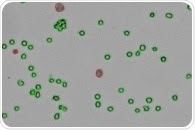
A high-throughput automated cell counting system, the Cellaca MX is able to image, analyze, and report cell concentration and viability for 24 samples in 48 seconds, by using bright field (trypan blue), and in 2.5 minutes by using several fluorescent imaging channels.
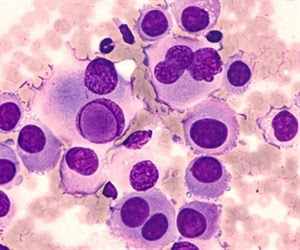
The first cell atlas of mosquito immune cells recently created by researchers can help interpret how mosquitoes combat various infections, including malaria.
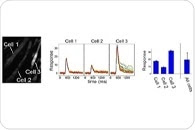
The stem cells tasked with creating and maintaining biological tissues have a difficult job. They have to precisely divide to form new specialized cells, which are destined to different fates even though they contain identical DNA. An obvious question then is: How do the cells divide in all the right ways to produce a healthy tissue?
As Americans begin pulling up their sleeves for an annual flu vaccine, researchers at the University of Wisconsin-Madison have provided new insights into an alternative vaccine approach that provides broader protection against seasonal influenza.
By far the most important process in cell development is how cells divide and then enlarge in order to multiply. A research team headed by Freiburg medical scientist Prof. Dr. Robert Grosse has now discovered that bundled fibers of actin within a cell nucleus play an important part in how they enlarge after division.
For more than a decade, scientists have accepted that cholesterol - a key component of cell membranes - did not uniformly affect membranes of different types.
ver historia personal en: www.cerasale.com.ar [dado de baja por la Cancillería Argentina por temas políticos, propio de la censura que rige en nuestro medio]//
www.revistamedicos.com.ar //
www.quorumtuc.com.ar //
www.sectorsalud.com.ar //
www.maimonides.edu //
weblog.maimonides.edu/farmacia/archives/UM_Informe_Autoevaluacion_FyB.pdf - //
weblog.maimonides.edu/farmacia/archives/0216_Admin_FarmEcon.pdf - //
www.documentalistas.org.ar //
www.cpcesfe2.org.ar //
www.nogracias.eu //
www.estenssorome.com.ar //
www.cuautitlan.unam.mx/descargas/licenciaturas/bqd/plandestudio_bqd_ //
www.latamjpharm.org/trabajos/25/2/LAJOP_25_2_6_1_M4M6Z9746D.pdf //
www.nogracias.eu/v_juventud/informacion/informacionver.asp?cod= //
www.colfarse.com.ar //
www.proz.com/kudoz/english_to_spanish/art_literary/523942-key_factors.html - 65k - // www.llave.connmed.com.ar/portalnoticias_vernoticia.php?codigonoticia=17715 // www.frusculleda.com.ar/homepage/espanol/activities_teaching.htm // http://www.on24.com.ar/nota.aspx?idNot=36331 ||
No hay comentarios:
Publicar un comentario